- Bottom Trawl Catch
- Drift and Fixed Nets Catch
- Industrial and Pelagic Trawl Catch
- Active Demersal Catch
- Passive Demersal Catch
- Pelagic Catch
- Bottom Trawl Catch
- Nephrops Trawl Catch
- Scallop Fleet Catch
- Fishing Restrictions
- Fishing Fishing Intensity
- Fishing Income
- Fisheries Closure
- Pots and Creel Fleet
- Recreational Fishing
- Unreported Fleet Catch
- Recreational Fleet Catch
- Small-Scale Coastal Catches
- Artisanal Catch
Bottom Trawl Catch #
| Category: Activities |
| Sub-Category: Fishing |
Description #
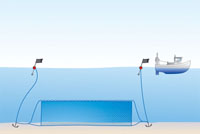
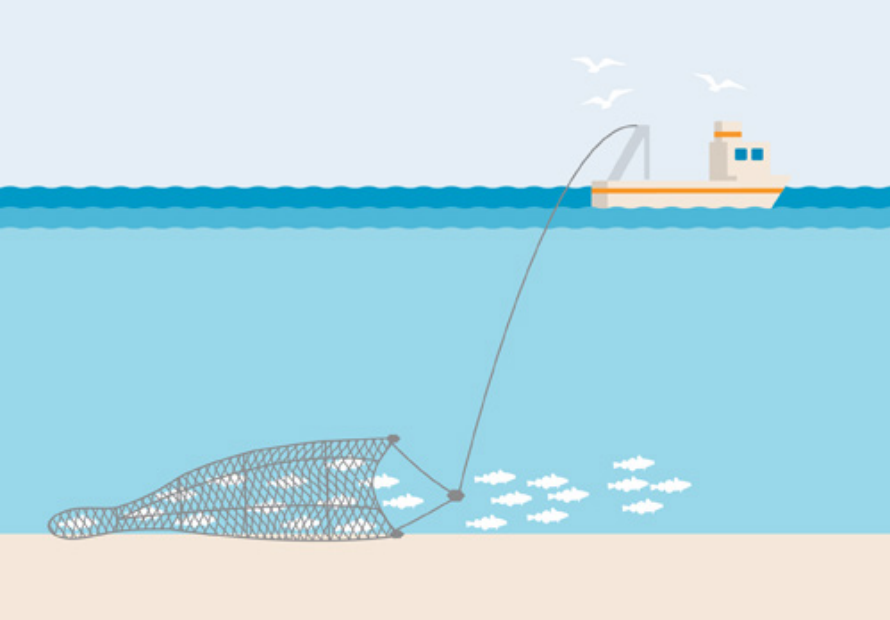
Bottom trawling consists in towing a fishing net along the sea floor to catch fish or other marine species. Bottom trawling can be contrasted with midwater trawling (also known as pelagic trawling), where a net is towed higher in the water column. Trawling is done by a trawler, which can be a small open boat with only 30 hp (22 kW) or a large factory trawler with 10,000 hp (7,500 kW). Bottom trawling can be carried out by one trawler or by two trawlers fishing cooperatively (pair trawling).
Source of image: Fishing fleets poster created for NorthSEE project, accessible at MSP Challenge community website.
MSP Challenge #
Bottom Trawl Catch is a month-by-month, computer-generated data layer following this fleet’s fishing catch calculated by the ecosystem simulation. This fleet doesn’t fish in areas that are protected against bottom trawl.
A plan can also include a change in the fishing efforts for this fleet per EEZ. Activate the Fishing controls by ticking the appropriate checkbox in the Plan Wizard. Subsequently change the appropriate Fishing effort sliders.
Drift and Fixed Nets Catch #
| Category: Activities |
| Sub-Category: Fishing |
Description #
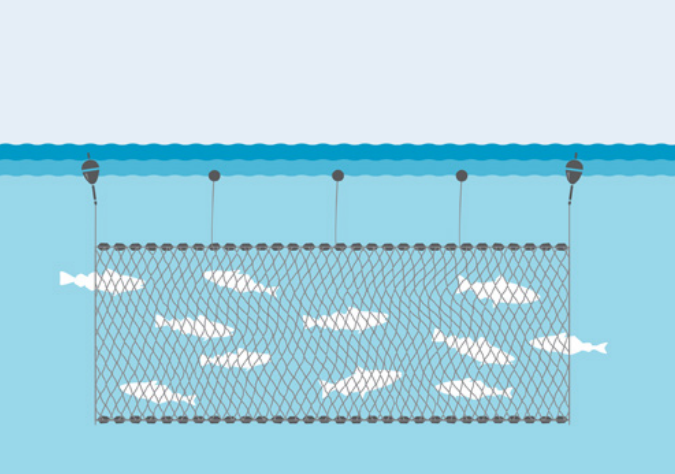
The drift and fixed nets fishing fleet is much smaller in terms of total catches than the bottom trawl or the industrial trawl. This method of fishing allows targeting the desired species and size, with reduced by-catch and discard, so this fleet has a lower ecosystem impact compared to the trawl fleets. Drift nets are deployed in the current and are allowed to float freely, while fixed nets are anchored to the sea bottom.
Source of image: Fishing fleets poster created for NorthSEE project, accessible at MSP Challenge community website.
MSP Challenge #
Drift and Fixed Nets Catch is a month-by-month, computer generated data layer following this fleet’s fishing catch calculated by the ecosystem simulation. This fleet doesn’t fish in areas that are protected against drift and fixed nets.
A plan can also include a change in the fishing efforts for this fleet per EEZ. Activate the Fishing controls by ticking the appropriate checkbox in the Plan Wizard. Subsequently change the appropriate Fishing effort sliders.
Industrial and Pelagic Trawl Catch #
| Category: Activities |
| Sub-Category: Fishing |
Description #
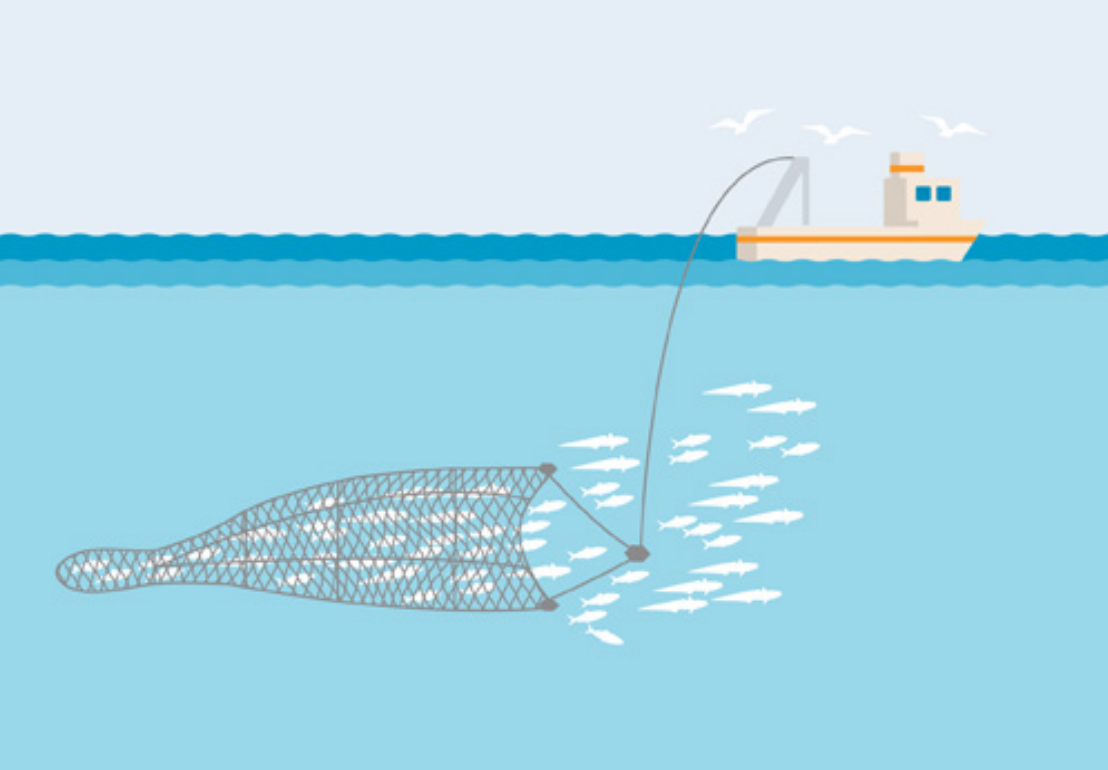
Trawling is a method of fishing that involves pulling a fishing net through the water behind one or more boats. The net that is used for trawling is called a trawl. Pelagic trawling is also known as midwater trawling. This kind of trawling catches pelagic fish such as anchovies, shrimp, tuna and mackerel, whereas bottom trawling targets both bottom-living fish (groundfish) and semi-pelagic fish such as cod, squid, halibut and rockfish. Pelagic trawls are typically much larger than bottom trawls, with very large mesh openings in the net, little or no ground gear, and little or no chaffing gear.
Source of image: Fishing fleets poster created for NorthSEE project, accessible at MSP Challenge community website.
MSP Challenge #
Industrial and Pelagic Trawl Catch is a month-by-month, computer generated data layer following this fleet’s fishing efforts calculated by the ecosystem simulation. This fleet doesn’t fish in areas that are protected against industrial and pelagic trawl.
A plan can also include a change in the fishing efforts for this fleet per EEZ. Activate the Fishing controls by ticking the appropriate checkbox in the Plan Wizard. Subsequently change the appropriate Fishing effort sliders.
Active Demersal Catch #
| Category: Activities |
| Sub-Category: Fishing |
Description #
The active demersal catch is a heatmap showing where the catch of the active demersal fleets is more dense or less dense. The fleets considered as active demersal are the ones using trawling of nets on or close to the sea floor.
Source of image: Fishing fleets poster created for NorthSEE project, accessible at MSP Challenge community website.
MSP Challenge #
Active demersal catch is a month-by-month, computer-generated data layer following this fleet’s fishing catch calculated by the ecosystem simulation. This fleet doesn’t fish in areas that are protected against active demersal fleet.
A plan can also include a change in the fishing efforts for this fleet per EEZ. Activate the Fishing controls by ticking the appropriate checkbox in the Plan Wizard. Subsequently change the appropriate Fishing effort sliders.
Passive Demersal Catch #
| Category: Activities |
| Sub-Category: Fishing |
REPLACE IMAGE
Description #
The passive demersal catch is a heatmap showing where the catch of the passive demersal fleets is more dense or less dense. The fleets considered as passive demersal are the ones using fixed or drift nets on or close to the seafloor.
Source of image: www.sustainweb.org, accessed on 2022-04-05.
MSP Challenge #
Passive demersal catch is a month-by-month, computer-generated data layer following this fleet’s fishing catch calculated by the ecosystem simulation. This fleet doesn’t fish in areas that are protected against passive demersal catch.
A plan can also include a change in the fishing efforts for this fleet per EEZ. Activate the Fishing controls by ticking the appropriate checkbox in the Plan Wizard. Subsequently change the appropriate Fishing effort sliders.
Pelagic Catch #
| Category: Activities |
| Sub-Category: Fishing |
Description #
The pelagic catch is a heatmap showing where the catch of the pelagic fleets is more dense or less dense. The fleets considered as pelagic are the ones operating in the water column.
Source of image: Fishing fleets poster created for NorthSEE project, accessible at MSP Challenge community website.
MSP Challenge #
Pelagic catch is a month-by-month, computer-generated data layer following this fleet’s fishing catch calculated by the ecosystem simulation. This fleet doesn’t fish in areas that are protected against pelagic catch.
A plan can also include a change in the fishing efforts for this fleet per EEZ. Activate the Fishing controls by ticking the appropriate checkbox in the Plan Wizard. Subsequently change the appropriate Fishing effort sliders.
Bottom Trawl Catch #
| Category: Ecology |
| Sub-Category: Fishing |
Description #
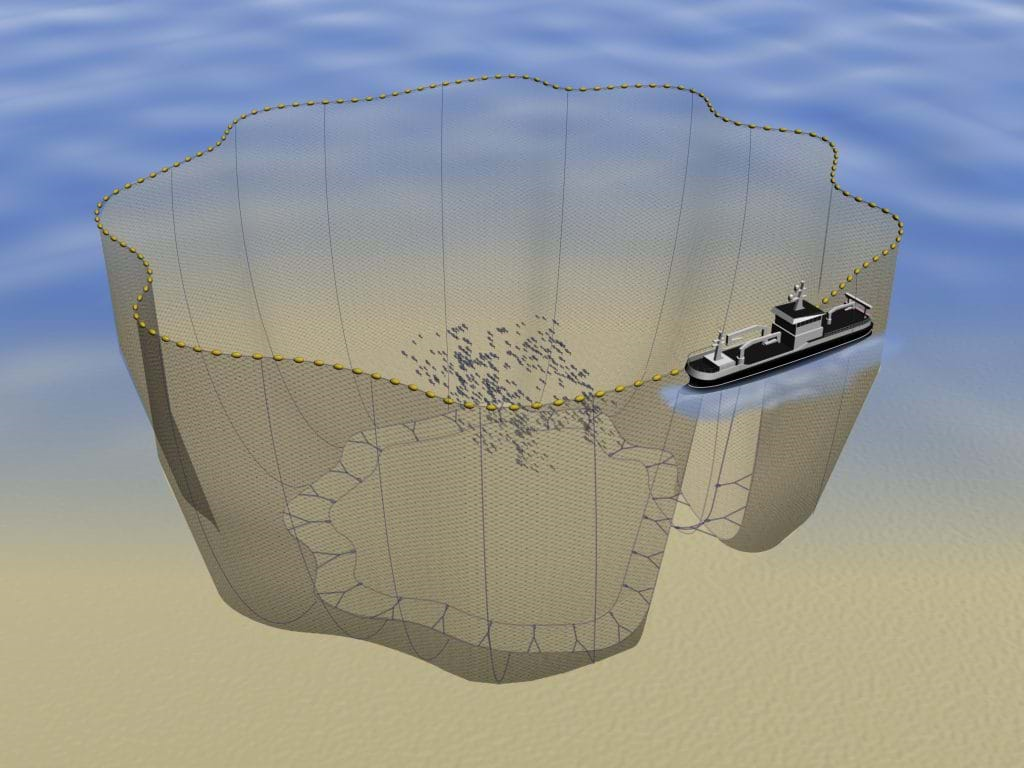
The seine catch data layer shows a heatmap of the quantity of fish caught by the seine fleet.
So far in the MSP Challenge we have two different seine fleets: purse seine and beach seine.
“A purse seine is a large net used to surround a shoal of pelagic fish. Once shot, the bottom of the net is drawn together by hauling in a long wire called the ‘purse line’ to form a huge cup shape of netting just below the surface of the water with the targeting fish inside. The net is gradually hauled onboard the vessel and the catch is taken onboard the vessel” (seafish, n.d.).
“A beach seine is a seine net operated from the shore. The gear is composed of a bunt (bag or lose netting) and long wings often lengthened with long ropes for towing the seine to the beach. The headrope with floats is on the surface, the footrope is in permanent contact with the bottom and the seine is therefore a barrier which prevent the fish from escaping from the area enclosed by the net. Two basic types of gear can be distinguished: seine nets without a bag (Fig. 1) and seine nets with a bag (Fig. 2). The first one do have, however, a central part with smaller meshes and more slack, which retains the fish caught. In the second one the fish are retained in the bag. It is not necessary for the bag to be exactly in the centre and in this case the wings are not of equal length.” (FAO. 2024).
Sources:
Seafish. (n.d.). www.seafish.org accessed on 2022-04-05.
FAO. 2024. Fishing Gear types. Beach seines. Technology Fact Sheets. In: Fisheries and Aquaculture. [Cited Wednesday, November 27th 2024].
https://www.fao.org/fishery/en/geartype/202/en
Image: From seafish. (n.d.). www.seafish.org accessed on 2022-04-05.
MSP Challenge #
Seine catch is a month-by-month, computer-generated data layer following this fleet’s fishing catch calculated by the ecosystem simulation. This fleet doesn’t fish in areas that are protected against seine fleets.
A plan can also include a change in the fishing efforts for this fleet per EEZ. Activate the Fishing controls by ticking the appropriate checkbox in the Plan Wizard. Subsequently change the appropriate Fishing effort sliders.
Nephrops Trawl Catch #
| Category: Ecology |
| Sub-Category: Fishing |
Description #
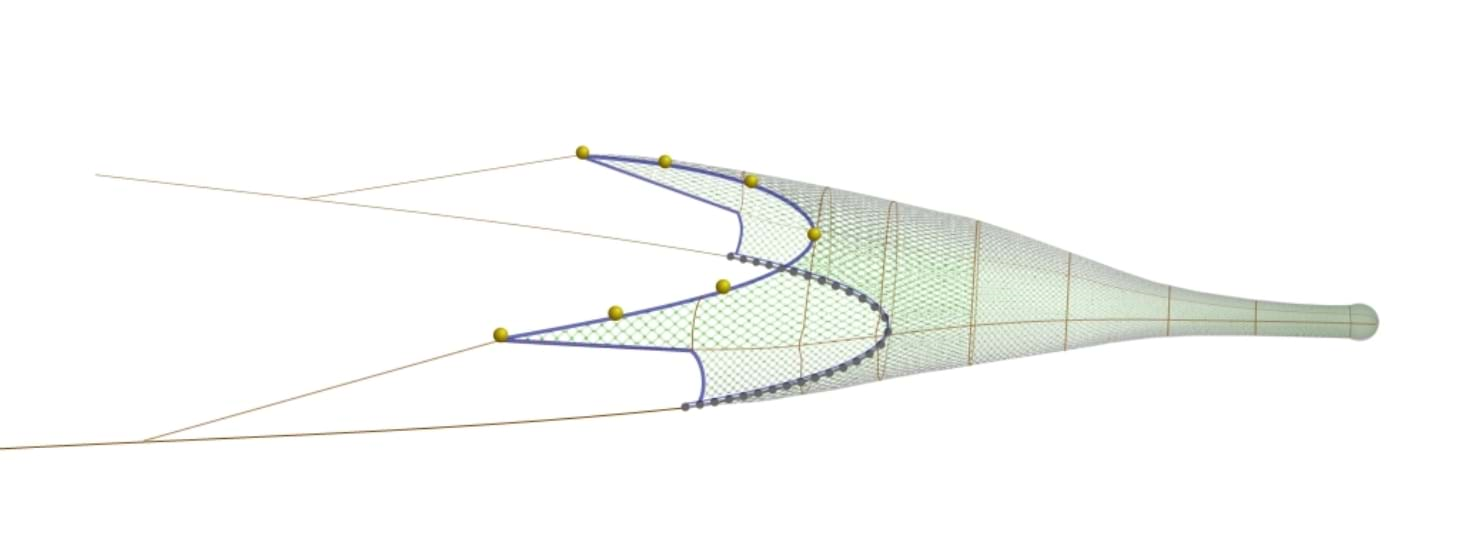
The nephrops trawl catch data layer shows a heatmap of the quantity of fish caught by the nephrops trawl fleet.
Nephrops trawls use low demersal nets that they tow on the seabed, with the mouth held open by a pair of otter boards (trawl doors) designed to target nephrops (seafish, n.d.).
Source:
Seafish. (n.d.). www.seafish.org accessed on 2022-04-05.
Note: image is from a demersal hopper trawl for rough seabeds. The source is seafish, accessed on 2022-04-05.
MSP Challenge #
Nephrops trawl catch is a month-by-month, computer-generated data layer following this fleet’s fishing catch calculated by the ecosystem simulation. This fleet doesn’t fish in areas that are protected against nephrops trawl fleets.
A plan can also include a change in the fishing efforts for this fleet per EEZ. Activate the Fishing controls by ticking the appropriate checkbox in the Plan Wizard. Subsequently change the appropriate Fishing effort sliders.
Scallop Fleet Catch #
| Category: Ecology |
| Sub-Category: Fishing |
Description #
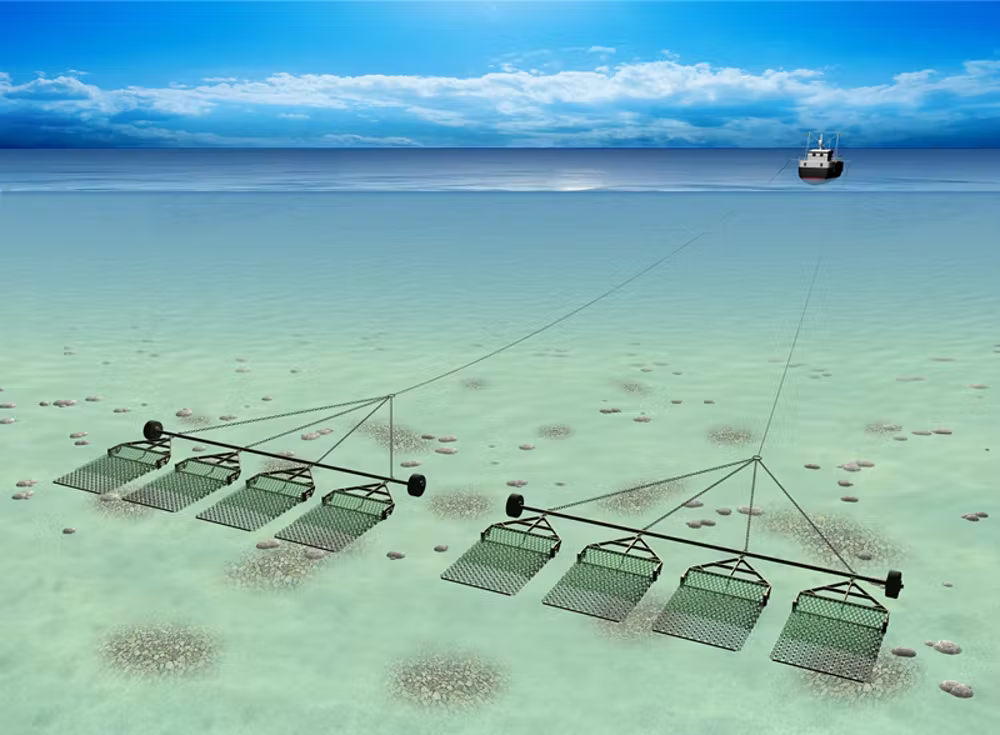
The scallop fleet catch data layer shows a heatmap of the quantity of fish caught by the scallop fleet. Scallop fleet ofter operate with dredges which scape scallops out of their hollows and can disturb seaweed and other sea life on the seabed in the process (Johnson M., Steward B., 2018).
MSP Challenge #
Scallop fleet catch is a month-by-month, computer-generated data layer following this fleet’s fishing catch calculated by the ecosystem simulation. This fleet doesn’t fish in areas that are protected against scallop fleets.
A plan can also include a change in the fishing efforts for this fleet per EEZ. Activate the Fishing controls by ticking the appropriate checkbox in the Plan Wizard. Subsequently change the appropriate Fishing effort sliders.
Source: Johnson M., Stewart B. 2018. ‘”Scallop wars’ between Britain and France are just a pre-Brexit skirmish” in “The conversation“, accessed on https://theconversation.com/scallop-wars-between-britain-and-france-are-just-a-pre-brexit-skirmish-102588 on 2022-04-05.
Note: photo also retrieved from the mentioned online article.
Fishing Restrictions #
| Category: Activities |
| Sub-Category: Fishing |
Description #
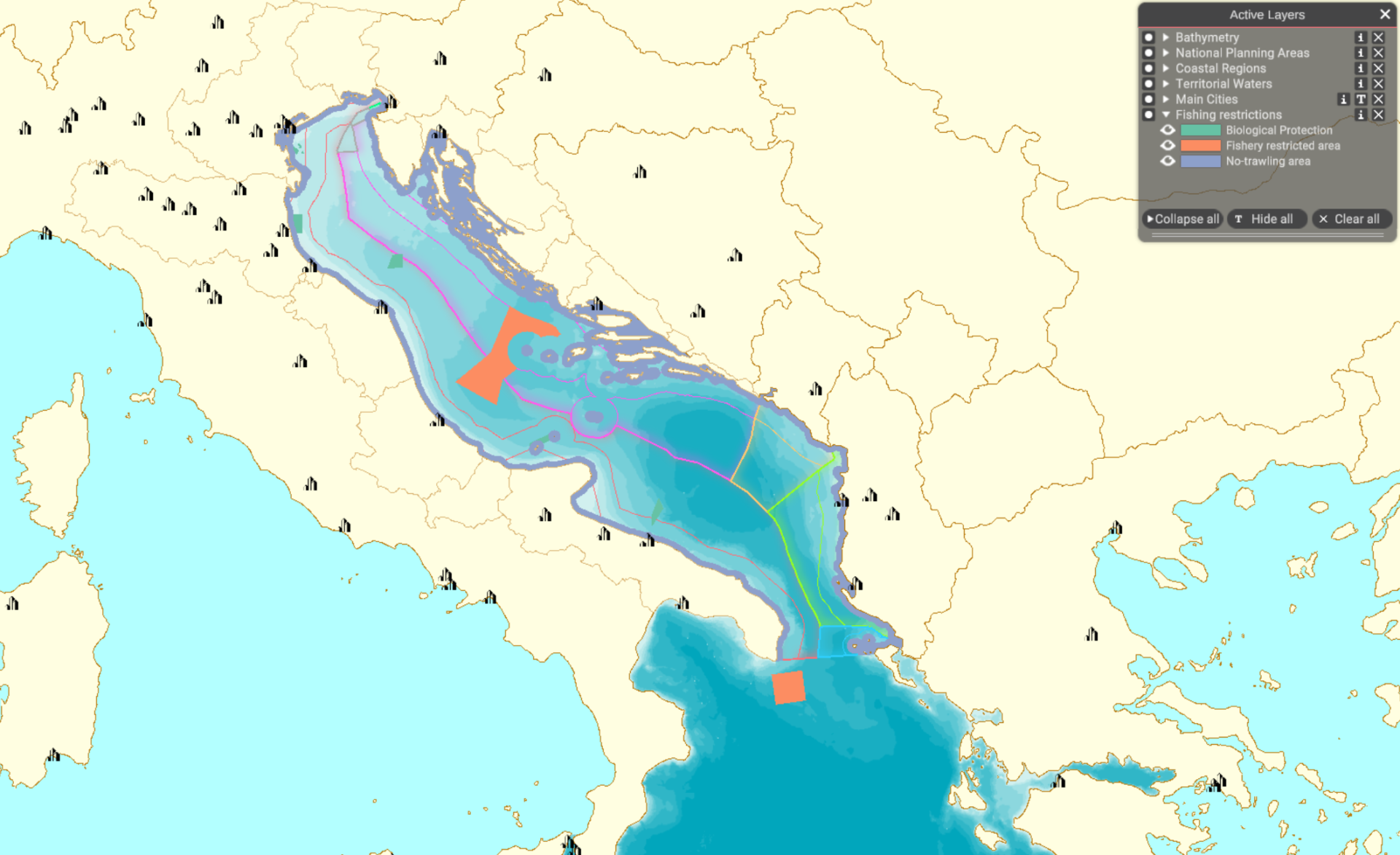
Fishing activities may be restricted from operating to preserve the fishing stocks, protect sensible or declining species or even habitats. The fishing restrictions may be temporary or specific to a determined area (sometimes both) and can apply to one or more fleets.
MSP Challenge #
This is a static but editable layer that indicates different restrictions on fishing activities.
Fishing Fishing Intensity #
| Category: Activities |
| Sub-Category: Fishing |
REPLACE IMAGE
Description #
Fishing effort represents the effort made by fishing fleets to catch one or more target species. This can be measured, for instance, by the time spent at sea by fishing boats. A high fishing effort does not always result in high ammounts of catch; the catch depends both on the effort by the fishing fleet and the density (quantity per unit area) of the target species.
MSP Challenge #
In the MSP Challenge the fishing intensity is a static layer.
Fishing Income #
| Category: Activities |
| Sub-Category: Fishing |
REPLACE IMAGE
Description #
The fishing income data layer represents the average economic value brought by the fishing activity in a certain area. Also described as income from fishing in thousands of euros.
The fishing income layer is static and does not contribute for any of the pressures calculated in the MSP Challenge.
MSP Challenge #
xxx
Fisheries Closure #
| Category: Ecology |
| Sub-Category: Fishing |
REPLACE IMAGE
Description #
Fishing activities may be restricted from operating in certain areas to preserve the fishing stocks, protect sensible or declining species or even habitats. The fisheries closure layer shows where fishing is not allowed for one or more fleets.
MSP Challenge #
This is a static but editable layer, the ecosystem simulation will take into account the areas where fisheries are not allowed. If the fisheries closure is not specific to a fishing fleet, all fishing fleets will be considered banned from the area.
Fisheries closure contribute for all protection areas calculated by the system:*No Industrial Trawl Fishing
- Protection Passive Demersal
- Protection Pelagic
- Protection Seine
- Protection Nephrops Fleet
- Protection Scallop Fleet
- Protection Pots and Creels
Note that fisheries closure is not available in all editions of the MSP Challenge nor are all the protection types mentioned above.
Pots and Creel Fleet #
| Category: Ecology |
| Sub-Category: Fishing |
Description #
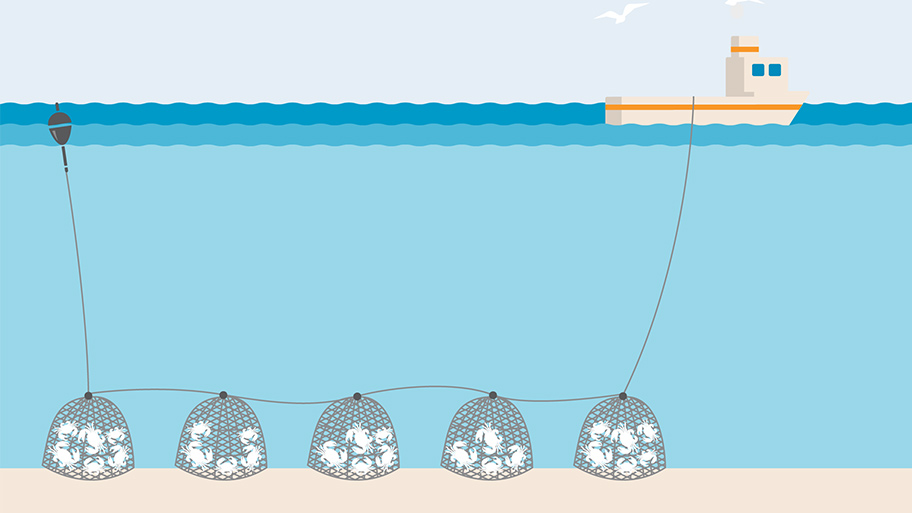
The pots and creel catch data layer shows a heatmap of the quantity of fish caught by the pots and creel fleet.
“Stationary traps, or pots, typically made from wood, wire netting or plastic, are used to catch crustaceans such as lobsters and crabs. Though the size and shape of traps may vary, all feature a cone-shaped entrance tunnel through which a crab or lobster is enticed with bait, but cannot escape through” (Marine Stewardship Council, n.d.).
“Traps are deployed on the seabed for around 24 hours before being hauled aboard a boat for harvesting and re-baiting. Although they can be laid out individually, they are more commonly laid out in strings (fleets) with a number of traps attached to a long rope” (Marine Stewardship Council, n.d.).
Source:
Marine Stewardship Council. n.d. Available on https://www.msc.org/what-we-are-doing/our-approach/fishing-methods-and-gear-types/pots-and-traps, accessed on 2022-04-05.
Note: image is also from Marine Stewardship Council. n.d. Available on https://www.msc.org/what-we-are-doing/our-approach/fishing-methods-and-gear-types/pots-and-traps, accessed on 2022-04-05.
MSP Challenge #
Pots and creel catch is a month-by-month, computer-generated data layer following this fleet’s fishing catch calculated by the ecosystem simulation. This fleet doesn’t fish in areas that are protected against pots and creel trawl fleets.
A plan can also include a change in the fishing efforts for this fleet per EEZ. Activate the Fishing controls by ticking the appropriate checkbox under section 2b in the Plan Wizard. Subsequently, change the Fishing effort sliders under the Fishing tab of the Plan Details (maximize the Plans Monitor and select your plan).
Recreational Fishing #
| Category: Activities |
| Sub-Category: Recreational |
Description #
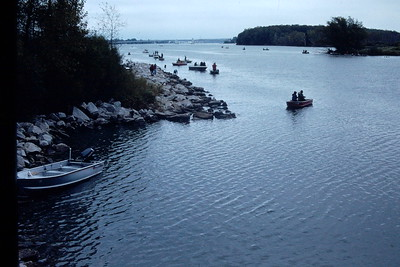
Fishing for leisure purposes.
MSP Challenge #
This is a static layer and does not contribute to the pressures on the ecosystem.
Photo credit: “Recreational Fishing”. Aquatic Sciences Center (2017). License: CC BY-NC 2.0. Not changed. Retrieved from flickr.com on 2022-09-14.
Unreported Fleet Catch #
| Category: ? |
| Sub-Category: Fishing |
REPLACE IMAGE
Description #
xxx
MSP Challenge #
xxx
Recreational Fleet Catch #
| Category: Activities |
| Sub-Category: Fishing |
| Editable: No |
REPLACE IMAGE
Description #
Recreational fishing is defined as fishing of aquatic animals (mainly fish) that do not constitute the individual’s primary resource to meet basic nutritional needs and are not generally sold or otherwise traded on export, domestic or black markets. Recreational fishing constitutes the dominant use of wild fish stocks in all freshwaters of industrialized countries, and it is prominent in many coastal ecosystems. The importance of recreational fisheries is increasing rapidly in many transitional economies. (FAO, 2012)
Source: FAO TECHNICAL GUIDELINES FOR RESPONSIBLE FISHERIES. 2012 Acessible from http://www.fao.org/docrep/016/i2708e/i2708e00.pdf
MSP Challenge #
Recreational Fleet Catch refers to the amount of fish caught by this type of fisheries. Depending on the edition of the MSP Challenge this layer can represent static data or be the result of simulations.
Small-Scale Coastal Catches #
| Category: Activities |
| Sub-Category: Fishing |
REPLACE IMAGE
Description #
Small scale coastal fishing is composed, typically, by family-based businesses, where owners are directly involved in the fishing activity. Together with other maritime activities, small-scale fisheries play an important role in local economies.
Small-scale fisheries are especially important in the Mediterranean, where over half of the sector is concentrated and where it has been playing a dominant role in the livelihoods of coastal communities for centuries.
MSP Challenge #
Small Scale Coastal Catch is a month-by-month, computer-generated data layer following this fleet’s fishing catch calculated by the ecosystem simulation. This fleet doesn’t fish in areas that are protected against small scale coastal fisheries.
A plan can also include a change in the fishing efforts for this fleet per EEZ. Activate the Fishing controls by ticking the appropriate checkbox under section 2b in the Plan Wizard. Subsequently, change the Fishing effort sliders under the Fishing tab of the Plan Details (maximize the Plans Monitor and select your plan)
Artisanal Catch #
| Category: Activities |
| Sub-Category: Fishing |
REPLACE IMAGE
Description #
Artisanal fisheries defines a set of small‑ and medium‑scale boats that generally fish close to the shore using traditional or non‑industrial methods and supply local markets for human consumption in coastal communities. This layer is calculated by the simulations in the MSP Challenge. (https://www.iss-foundation.org/)
MSP Challenge #
“Artisanal catch” is calculated for each edition of the MSP Challenge and changes dynamically according to the plans made by users.